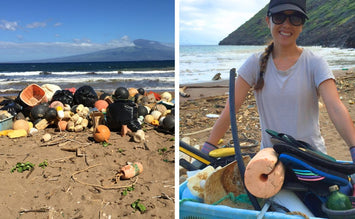

by Lexi Figueroa
Lexi is Polipoli Farms' marketing coordinator + ʻāina crew member. She writes about her experiences to inspire budding mahiʻai and storytellers.
"I promise, there’s space for you on ʻāina exactly as you are."
I always wanted an ʻāina job, but I never felt qualified enough to pursue it.
That changed after I heard Brad and Lehia’s story of how they went from their previous career to full-time farmers.
Today I'm the marketing coordinator and ʻāina crew member here at Polipoli Farms. I’ve gained so much hands-on experience just by betting on myself and taking that first step.
So if you’ve been going back and forth about whether to start learning about ʻāina or step into the mahiʻai space, here's what you need to know.

1. Create the Opportunity You Want
For context, this all started through a marketing internship I signed up for with the Purple Maiʻa Foundation called Digital Creators. As part of the program, we partnered with Polipoli Farms to get real-world marketing experience. I used my photography skills to take photos and help create social media content for the farm.
That’s when I first heard Brad and Lehia’s story—how they started with just one garden bed in the backyard and grew into what Polipoli Farms is today. It really showed me what it means to create your own opportunities, even when you feel like you don’t have enough experience yet.
After the internship, I took a chance and emailed Lehia to ask if they were hiring. There wasn’t a job posting or any sign they were looking, but I figured there was no harm in betting on myself. Sometimes just opening that door is enough, and luckily for me, it was.
So don’t be afraid to reach out to local farms in your area. Go to community workdays, volunteer, or send an email and ask if you can meet with the farm owner. Even if there’s no official opening, that doesn’t necessarily mean they won’t appreciate extra help.
Focus on the skills you do have. I came from a substitute teaching background and didn’t think it would apply, but being able to communicate and work well with people is huge in the farm world, especially if they sell produce at farmers markets or pop-up events. Trust me, your skills are more transferable than you think!
2. Find the Right Farm For You
The environment you step into can make or break your experience.
Take time to learn about the farms around you. Go to farmers markets, follow the mahiʻai who inspire you online, and get a sense of who they are.
What do they grow? What farming methods do they use? What values do they uphold, and do those align with yours?
Find a place that aligns with YOU.
If you’re not quite sure where to start, Kupu Hawaiʻi’s Kupu ʻĀina Corps (KAC) program is an amazing way to get placed in an ʻāina-based internship and gain hands-on experience (that’s how I was hired!).
That first step can also be in your own backyard (like Brad and Lehia). If you can, plant something today. Even one plant in a pot is a start. Building pilina with ʻāina can begin that simply.
Click here for inspo: 5 Healing Plants of Hawaiʻi to Grow at Home
3. Use Your Strengths to Support Your Farmers
Supporting mahiʻai doesn’t just happen in the loʻi or māla. There are so many ways to kōkua.
My role at Polipoli is hybrid—I work on ʻāina, but I also support as a marketing coordinator by writing articles (like this one) and creating content to connect the community to our work.
We all come with different strengths, and that’s exactly what our lāhui needs.

If you’re creative, look into helping your fellow mahiʻai with their social media or marketing. If you have a background in law, your knowledge could support farmers navigating things like water rights. If you love working with keiki, maybe you can help build place-based learning programs.
I promise, there’s space for you on ʻāina exactly as you are.
4. Take Care of Your Body + Wellness
If I could tell my past self one thing before starting here at Polipoli, it would be this: start stretching, like now. (Actually, you should’ve started yesterday.)
Farming is very physically demanding. Stretch daily, stay hydrated, and eat foods that fuel you. Prioritize things like getting a full night's rest.
Your body is your biggest asset in this kind of work. Mālama kou kino; take care of it.

Get the Real Stuff
100% Hawaiʻi Grown, Shipped across the U.S.
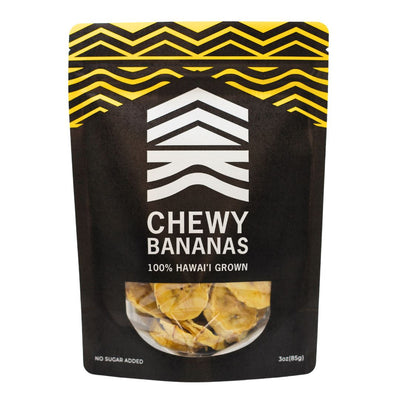
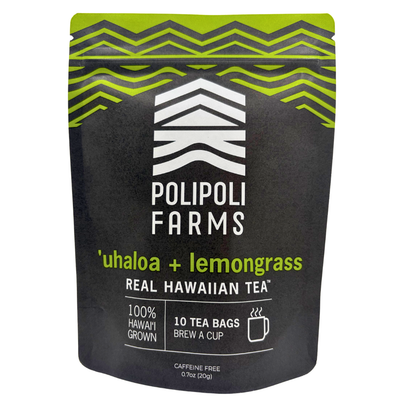
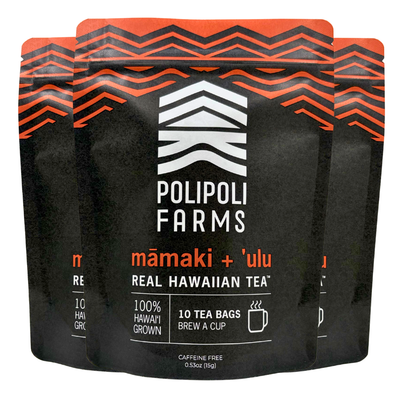
I used to think I needed to be in perfect tip-top shape before even considering an ʻāina job. And while being active definitely helps, the truth is, nothing prepares you for ʻāina work like actually doing it.
If you have access to a yard or any space to move your body and work with the land, start there and build your stamina one day at a time.
5. Follow and Support Your Local Farmers
If you’re not ready to fully step into farming, there are still so many ways to support your mahiʻai.
Follow local farms on social media (shameless plug—@Polipolifarms), sign up for newsletters, and join-in on any community workdays if you can.
Pro tip: Newsletters are one of the best ways to hear about job openings. And if not that, you’ll still get a deeper look into what goes on behind-the-scenes at these farms.

Younger me would’ve never believed I’d have the kind of hands-on ʻāina experience I do now. And while I’m still growing into the title of a “mahiʻai,” I know I’ve committed myself to giving back to Nā Wai ʻEhā, the place that raised me.
If you feel called to the land, take that leap. Trust me, you don’t need to have it all figured out. Start where you can, trust yourself, and be consistent in your pursuit.
Let's Keep This Going
Most newsletters are spammy. Ours isn't.
Join now and get FREE SHIPPING as a small mahalo.
Unsubscribe anytime, no hard feelings.