
Growing up on Maui, "iced tea" in our house meant that familiar canister of Lipton powder mix. You know the one. Scoop . . . stir . . . done.
Later I remember reaching for canned iced tea from Hawaiian Sun or the ironically named “Hawaiian Iced Tea” from another brand.
Adult me laughs (and cringes) thinking about how these were our options growing up.
Because if you flip these cans over and read the ingredient list, here's what you'll find: Cane Sugar, Tea Powder, Dextrose, Citric Acid, Caramel Color, Lemon Flavors, Ascorbic Acid, Tannic Acid, Soy Lecithin.
No native plants. No cultural connection. Not made by Native Hawaiians. Just “Hawaiian” branding with lots of imported ingredients.


Fast forward to my twenties. Brad and I are poking around one of our favorite local health food stores and we stumble across māmaki tea. The package shared about how it’s an endemic plant cherished in Hawaiian healing traditions for generations. Plus, it’s naturally caffeine free and packed with antioxidants.

I remember thinking . . . wait, there's been a Native Hawaiian tea here this whole time? Growing right here in these islands? And instead we were all drinking questionable imported ingredients out of a can?
That was the moment those canned versions lost its hold on me for good. Māmaki has been a constant in our home ever since . . . and once you try the real thing, you’ll understand why.
But first, what is māmaki?
Māmaki (Pipturus albidus) is a Native Hawaiian plant that has been revered in lāʻau lapaʻau, or Hawaiian plant medicine, for generations. It's a medium to large shrub that can even grow into a small tree.
Of all the plants on our farm, māmaki is one that always draws me in. Up close, its leaves are mini works of art. Veins run deep red against green leaves, catching the light in a way that makes the whole plant seem to glow. Its edges are softly serrated and the surface almost quilted in its intricacy.

Traditionally our kūpuna used the whole plant. Fresh leaves were brewed as tea for anyone feeling run down, the fruit was used to treat childhood ailments, and the bark was crafted into everyday items like kapa cloth and rope.
"My husband had a history of high blood pressure for years . . . ever since he started drinking the [māmaki and ʻulu] tea, his blood pressure has been amazing."
What is māmaki good for?
Māmaki is one of the most well-known and beloved plants in lāʻau lapaʻau, or Hawaiian plant medicine. Typically consumed as a tea, it's known to support healthy blood pressure, regulate blood sugar, and offer steady energy even though it’s caffeine-free.
I'll let this speak for itself. A woman from Waiʻanae, Oʻahu wrote to us out of the blue:
"Just wanted to share . . . my husband had a history of high blood pressure for years. He knew when it came to annual doctor visits his blood pressure would always be an issue, but ever since he started drinking the [māmaki and ʻulu] tea, his blood pressure has been amazing. He passed his physical in January. Unfortunately he caught a cold that required an ER visit, but his blood pressure wasn’t even an issue. The nurse that took it was amazed by his numbers."
This story is what it’s all about! This woman found a way to care for her ʻohana using something our kūpuna trusted for generations. The fact that a nurse in an ER was amazed by his numbers makes it extra special.
For a deeper look at the science behind māmaki's health benefits, including the University of Hawaiʻi study that broke down exactly what's in this plant, head to our Health Benefits of Māmaki post.

What does māmaki taste like?
On its own, māmaki has an herbal and slightly nutty flavor, similar to green tea. Unlike green tea, however, māmaki won’t get bitter no matter how long you steep it. There’s a faint natural sweetness that makes it easy to drink, no sweetener needed.
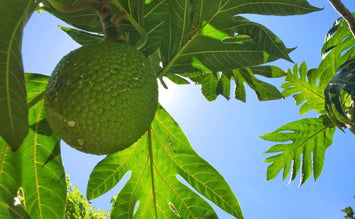
Here at Polipoli, our favorite way to enjoy māmaki is blended with ʻulu. These two plants grow side by side in our food forests, and it turns out they're super ʻono together in the cup. The blend is bold and almost malt-like, closer to a black tea in depth and body, but without the caffeine or the bitterness.
Sometimes we’ll add a squeeze of lemon or other citrus, mint, or even a splash of coconut milk for a creamy milk tea effect.

Where to buy māmaki tea?
A word of caution before you shop: not all māmaki tea is created equal.
As this plant has grown in popularity, so have the products claiming to feature it. Some producers use only a sprinkle of māmaki mixed with imported herbs while marketing it as the real thing. So first, always read the label and look for 100 percent Hawaiʻi-grown ingredients.
From there, pay attention to how it was grown. With a plant you're drinking for its healing properties, this is extra important.
Hint, hint: If you can’t easily tell what the growing practices are or if that info is vague, chances are the maker doesn’t have anything to brag about. It’s not a deal breaker, but consider that a yellow flag and keep digging.
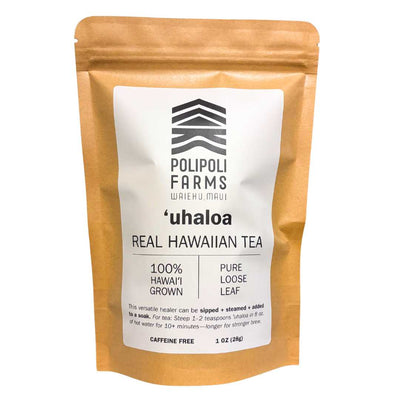
Of course, you are always encouraged to get your māmaki goods from us here at Polipoli Farms. We grow our māmaki and ʻulu right here in Waiehu, Maui, and ship across the U.S. with free shipping on qualifying orders.
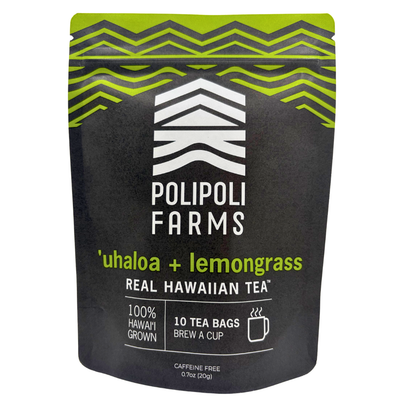
- Māmaki + ʻUlu Tea Bags: Perfect for a single hot cup in the morning or whenever you need a moment to reset. Add hot water, steep, done.
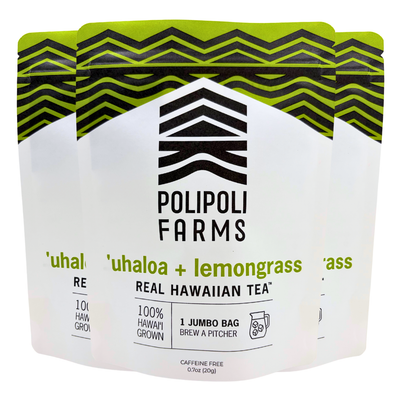
- Māmaki + ʻUlu Jumbo Bags: This is what we reach for when we want to brew a big pitcher for the week, share with the ʻāina crew, or bring to a gathering. This is the one people always ask us to bring to potlucks and gatherings.
The Healing Plant our Kūpuna Trusted
Regeneratively grown in Maui, shipped across the U.S.
How we grow māmaki at Polipoli Farms
Here at Polipoli, māmaki and ʻulu don't just end up together in your cup by accident. They grow side by side in our food forests.
Our growing style can be described as "agroforestry," "regenerative farming," or “organic.” That's all technically true. But really, we're just farming with nature the way our Indigenous ancestors did for millennia. We build healthy soil through composting, cover cropping, and living mulch, and grow diverse forest ecosystems instead of monocropped rows.
Our food forests are built around ʻulu trees at the center. Māmaki grows alongside it, tucked into that same ecosystem. We like to say that they are ʻohana on ʻāina before they reunite in the cup.

How to make māmaki tea?
The good news is that brewing māmaki tea is super easy and adjustable to your preference.
Here’s our recommendation: Steep 1–2 teaspoons of māmaki loose leaf in 8 oz. of boiling/hot water for 10+ minutes. The longer it steeps, the stronger the brew.
Some things to consider:
- Loose leaf or tea bags?
If you're looking for something convenient, pre-portioned and flavor-forward, our Māmaki + ʻUlu blend is where it's at. We went through a lot of R&D to get the flavor just right. The result is herbal and nutty flavor with a hint of natural sweetness. It's the kind of healthy choice you'll actually crave.
- Can I reuse the leaves?
Yes, you can get a second steep! Some people prefer the second steep for an afternoon cup when they want something lighter.
- Hot or cold?
Oooh, that’s a hard one. It depends. We like it hot on a slow morning, chilled straight from the fridge on a warm afternoon. Māmaki tastes ʻono both hot and cold and there's no wrong way to enjoy it.
That said, we recommend brewing it hot first and then chilling (versus cold steeping). That's how we get the best flavor out of it.

Still have questions? Here's what we get asked most.
Is māmaki caffeine free? Yes, māmaki is naturally caffeine free, which makes it a great option any time of day. It gives you that clean, grounded energy without any of the jitters. Sip it in the morning, afternoon, or as a wind-down before bed.
Is māmaki tea good for kidneys? This is a question we hear often. While we're farmers and not doctors, what we can share is that māmaki has been used in lāʻau lapaʻau to support overall wellness and restore balance to the body. The rutin and chlorogenic acid in māmaki are both known to support healthy circulation and detoxification, which may be why people associate it with kidney health.
As always, consult your healthcare provider for specific health concerns, and head to our Health Benefits of Māmaki post for the full science.

Can I drink māmaki tea every day? Yes! It's gentle enough for everyday use and powerful enough to have earned a permanent place in our regular rhythm here at Polipoli.
There's almost always a chilled pitcher of our māmaki and ʻulu blend in our fridge. Many mornings, I'll brew a warm thermos and sip it at my desk while I ease into the day. And when I'm out on the ʻāina, I’ll fill up the Hydroflask with chilled tea.
Can kids drink māmaki tea? In many Hawaʻii households, māmaki has been part of daily life for generations, including for keiki.
Additionally, according to the Guide to Selected Plants of the Māla Lāʻau Lapaʻau—published jointly by the University of Hawaiʻi John A. Burns School of Medicine and the Department of Native Hawaiian Health—māmaki fruit has traditionally been used to treat childhood ailments in Hawaiian healing practice. As it goes, though, we always recommend checking with your personal doctor first, especially for very young children.

Where does māmaki grow? Māmaki is found naturally on all of the main Hawaiian islands except Kahoʻolawe and Niʻihau. In the wild it’s typically found in upper elevation forests across Hawaiʻi. It can appear as a small to medium shrub and even grow into a large tree.
Is māmaki the same as mamaki and māmake? Yes, all the same plant, just different names. Māmaki and māmake are both Hawaiian names for Pipturus albidus. You may also see it spelled without the kahakō as "mamaki." If you're searching online or at a nursery, any of these names will get you there.
Rooted in Hawaiian healing traditions
Locally grown in Maui, shipped across the U.S.

What is lāʻau lapaʻau? Lāʻau lapaʻau is the traditional Hawaiian practice of plant medicine, working with native and Polynesian plants to heal inside and out.
This sacred practice was passed down through generations of Hawaiian knowledge keepers. Māmaki is one of the most well-known plants within lāʻau lapaʻau and has been showing up for Hawaiian ʻohana for generations.
We’d love for it to show up for yours, too.
Let's Keep This Going
More stories from the farm, delivered every Friday.
Join us now and get FREE SHIPPING as a small mahalo.
Unsubscribe anytime, no hard feelings.