
Regenerative agriculture is having a moment.
You've seen it on labels, heard it in podcasts, read it in food magazines. Everyone is calling it the future of farming.
But here's what those conversations usually leave out: Indigenous people around the world have been doing this for thousands of years.
What Regenerative Farming Actually Is
Ask most people what regenerative farming means and you'll get answers like:
- Building healthy soil through composting and cover cropping
- Avoiding synthetic chemicals and pesticides
- Rotating crops and to restore the land
- Growing in ways that capture carbon and support biodiversity


We are all for these practices! They describe the kind of farming we do here at Polipoli Farms.
But in the mainstream conversation, regenerative farming is framed as a modern innovation. In reality, these practices have been around for millenia.
Rooted in Indigenous Wisdom
Here in Hawaiʻi, we have our Polynesian ancestors to learn from.
When the first voyagers set out across the Pacific, they loaded their canoes with the plants they knew would sustain them in new lands, like kalo, ʻulu, maiʻa, and more. These canoe plants were a survival kit carefully selected and carried across thousands of miles of open ocean.
They also found native plants already growing here. Together, these two groups of plants became the foundation of a food system that fed a population roughly the size of Hawaiʻi today.
Let that sink in.

Get the Real Stuff
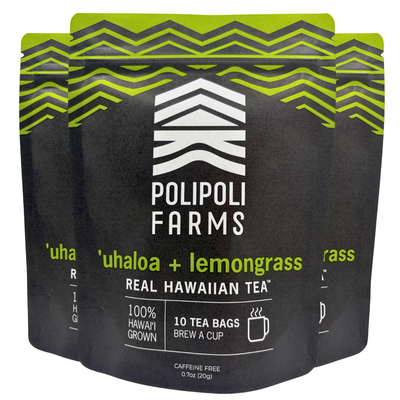
100% Hawaiʻi Grown, shipped across the U.S.
In a study published in Nature Sustainability, ʻōiwi researcher Dr. Natalie Kurashima backs this up and it’s worth a read.
Our kūpuna built abundant food systems through highly organized systems such as loʻi kalo, food forests, planting by the mahina, and a deep understanding of how to care for ʻāina.

Food Systems at Risk
In the mid-1800s, the industrial sugar industry swept through Hawaiʻi. Native lands were taken, streams were redirected, and food systems that had sustained communities for centuries were dismantled.

Within a few generations, one of the greatest food systems the Pacific had ever seen was largely gone.
We may never know exactly how much was lost. But we do know that some knowledge survived. Here at Polipoli Farms, we're on a mission to keep it going.
How We Found Our Way
When Brad and I first started farming, we didn't set out to follow my Native Hawaiian ancestors.
Then we started clearing this ʻāina here at Polipoli. Underneath walls of invasive Guinea grass and albizia trees, we found something that stopped us in our tracks: terrace after terrace of loʻi kalo.
That discovery changed everything.


What ʻĀina Taught Us
Those terraces served as a kind of a blueprint.
The kūpuna who built them had figured out something that modern agriculture is only beginning to understand: that farming in deep relationship with the land produces healthier food, healthier ecosystems, and healthier communities for generations.
They grew in loʻi kalo, engineering flooded terraces that produced kalo continuously while keeping the water clean and the soil fertile. They planted canoe crops carried across the Pacific by Polynesian voyagers who knew these plants would sustain them in new lands. They moved with the kaulana mahina, Hawaiian moon calendar, to know when to plant, when to harvest, and when to let the land rest. They grew in layers that mimicked natural forests, what we now call agroforestry, centuries before the term existed.
By every modern definition, they were OG regenerative farmers.
Indigenous Practices We Love
Finding those loʻi kalo put us on a path we didn't expect, back toward the practices my kūpuna had always known.
Today our farm looks nothing like what we originally imagined.

We tend a food forest or what we call ʻohana-style planting. Today it’s also called “agroforestry.” This is an ‘ohana of plants growing together, each one supporting the others. Our food forest is home to ʻulu, māmaki, ʻuhaloa, maiʻa, and more, including canoe plants our ancestors carried here and plants native to these islands.
We take cues from the kaulana mahina, or Hawaiian moon calendar. We build our soil through composting and cover cropping. Overall, we do whatever we can to keep our ecosystem healthy for the long term.

Polipoli Farms
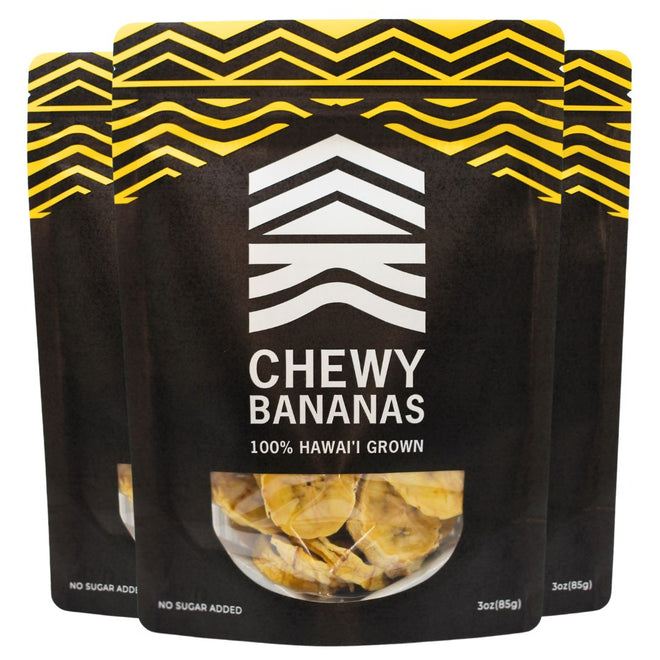
3 Pack - Chewy Bananas
$27.00
Reclaiming the Narrative
Regenerative farming is everywhere right now and I’m happy people are paying attention.
But as it grows, I think it's worth asking: Are the Indigenous cultures this knowledge came from being credited, supported, and centered in the conversation?
The most advanced growing technology in the world is thousands of years old. And I believe everyone wins when we follow what has already proven to work.
Let's Keep This Going
Most newsletters are spammy. Ours isn't.
Join and get FREE SHIPPING as a small mahalo.
Unsubscribe anytime, no hard feelings.